


The Spin Cycle: How Physical Music Made a Comeback (And Got Cooler)
- Jade McLeod

- Oct 8, 2025
- 2 min read
Updated: Dec 24, 2025
After a decade of all-you-can-stream, music is swinging back toward things you can hold. CDs bring back liner notes and car-stereo simplicity. Vinyl turns artwork into poster-sized statements and makes listening feel ceremonial. Record players, once décor, are now the centerpiece again. Even cassettes, the scrappy underdog, have re-entered the chat with attitude and personality. Why the shift? Fans want ownership, ritual, and identity. Pressing play on a phone is frictionless. Dropping a needle, flipping a tape, or cracking shrink-wrap turns listening into an event.
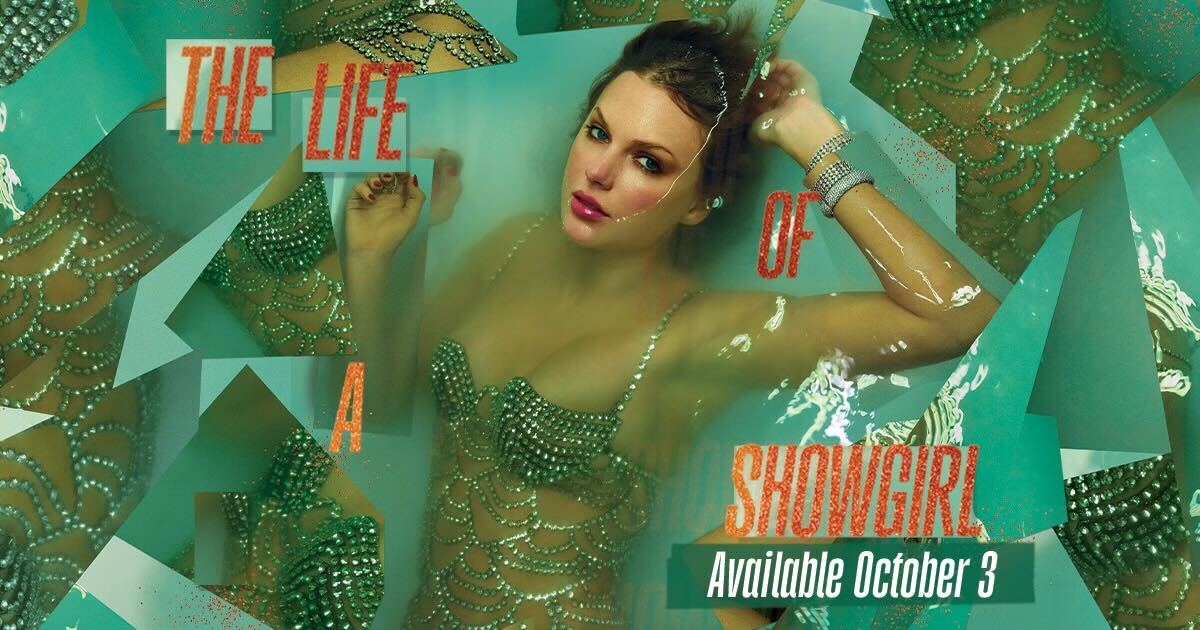
“Variant culture” is the driving force behind the revival. Alternate covers, colorways, retailer exclusives, and limited pressings allow fans to choose a version that reflects their unique story. Taylor Swift has perfected the model: era-specific palettes, exclusive covers, and clever album art puzzles that transform release week into a treasure hunt. Each variant feels like a chapter collects one for meaning, or all for the full narrative. Variants do three things at once: they reward superfans, turn albums into art objects, and keep the conversation going long after release day.
Cassettes aren’t just nostalgia props; they’re design-forward artifacts. The format’s charm, with compact shells, visible reels, and bold J-card aesthetics, makes them perfect for fan shelves and unboxings. Louis Tomlinson is leaning into tapes for his new album rollout, signaling texture and collectability from day one. The cassette becomes a signal to fans: this era is meant to be displayed, traded, and treasured, right alongside vinyl and CDs.
Vinyl remains the prestige format, part sound, part sculpture. Ashton Irwin took a fan-first route with BLOOD ON THE DRUMS, releasing it as a vinyl-only title. That choice elevated the record to artifact status. Pressings became the definitive way to experience the era, and securing a copy felt like joining a club. It’s the purest example of how format can shape a story.
Merch packs aren’t random add-ons anymore; they’re curated capsules. 5 Seconds of Summer (5SOS) have championed CD + T-shirt box sets and similar bundles, clean, cohesive ways to buy a sound and its uniform in one click. For fans, it’s a tidy keepsake; for artists, it’s an era in a box.
Comments